
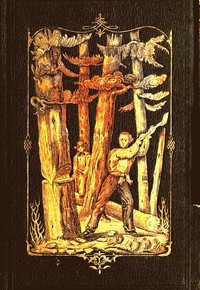
Forest Life and Forest Trees: comprising winter camp-life among the loggers,…
Let's get this straight: John S. Springer didn't just research logging; he was a logger. 'Forest Life and Forest Trees' is his firsthand account, written in the mid-1800s, of the grueling seasonal work that fueled America's growth. He takes us deep into the winter camps of Maine and New Hampshire, where men lived in isolated shanties for months on end.
The Story
There's no traditional plot with a hero's journey. Instead, Springer structures the book like a guided tour of a logger's year. We arrive at camp in the late fall and experience the whole brutal cycle: the back-breaking work of felling giant pines and hemlocks with axes and crosscut saws, the dangerous river drives when the spring thaw turns icy waterways into raging, log-choked torrents, and the final delivery to the sawmills. Along the way, he introduces us to the camp's social structure—the tyrannical 'boss,' the talented cook, the greenhorns, and the legendary 'bulls of the woods.' The drama comes from blizzards, logjams, accidents, and the simple, profound challenge of existing in a frozen wilderness.
Why You Should Read It
I loved this book because it strips away all the gloss. This isn't Paul Bunyan folklore; it's the sweat, slang, and supper of real life. Springer has a sharp eye for detail and a dry wit. He explains the ingenious tricks of the trade, like how to build a logging road on ice, and shares camp songs and tall tales. The most compelling theme is the camaraderie. These men, from all walks of life, formed a unique, rough-edged society where skill and endurance mattered more than anything else. You get a real sense of their pride, their humor in the face of hardship, and the immense risks they took for a paycheck.
Final Verdict
Perfect for anyone who enjoys immersive nonfiction, American history from the ground up, or stories about tough jobs in wild places. If you liked Laura Ingalls Wilder's detailed pioneer life but want the grown-up, grittier version for the North Woods, this is your book. It's a fascinating, humbling, and surprisingly entertaining look at a vanished way of life that literally shaped the country. Just reading about the cold will make you want to put on a sweater.
This historical work is free of copyright protections. Thank you for supporting open literature.








Melissa Brown
5 months agoThanks for the recommendation.