
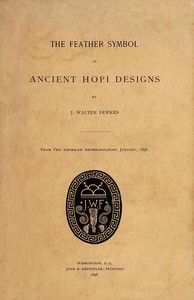
The feather symbol in ancient Hopi designs by Jesse Walter Fewkes
Let's be clear from the start: this isn't a beach read with a twist ending. Published in 1898, it's a specialized report by anthropologist Jesse Walter Fewkes. But don't let that scare you off. Think of it as a focused investigation into a single, powerful symbol.
The Story
The 'story' is Fewkes's quest to understand one particular design element he kept finding on ancient Hopi pottery and in their ceremonial spaces: a painted feather. He wasn't satisfied with calling it just a pretty pattern. Through careful observation and by talking with Hopi community members, he built a compelling argument. He concluded this wasn't just any feather. It was a specific symbol for a prayer feather, or 'paho,' used in rituals asking for rain and successful harvests. The book walks you through his evidence, showing how this symbol connects artwork to ceremony, and the people to their environment.
Why You Should Read It
I loved this book because it makes you a better observer. It trains your eye to look beyond the surface of art. After reading it, you start to wonder about the stories behind other patterns and symbols in the world. Fewkes writes with a clear respect for his subject, and his methodical approach is fascinating. He's piecing together a cultural puzzle, and you get to follow along. It's a powerful reminder that what looks like simple decoration to an outsider can be a dense, meaningful text for those who know how to read it.
Final Verdict
This is a niche book, but a rewarding one. It's perfect for history buffs, art lovers, or anyone curious about Indigenous cultures. If you've ever visited the Southwest and been captivated by the geometric designs on pottery or in rock art, this book will give you a key to start understanding them. It's also a great, short read for students. Just go in knowing it's an academic work from a different time—it's a window into both Hopi culture and the early days of anthropology itself.
This work has been identified as being free of known copyright restrictions. Access is open to everyone around the world.
Christopher Harris
3 weeks agoHaving explored several resources on this, I find that the logic behind each conclusion is easy to follow and verify. A trustworthy resource that I'll keep in my digital library.
Kimberly Martinez
1 month agoRight from the opening paragraph, the clarity of the writing makes even the most dense sections readable. This has become my go-to guide for this specific topic.
Emma Martinez
1 year agoHonestly, the depth of research presented here is truly commendable. Highly recommended.
Noah Moore
1 year agoTo be perfectly clear, the narrative structure is incredibly compelling. Exactly what I needed.
Robert Lopez
10 months agoComparing this to other titles in the same genre, the cross-referencing of different chapters makes it a great study tool. This should be on the reading list of every serious professional.